


HACKNEY TOWN CENTRE
Round walking/walking trail

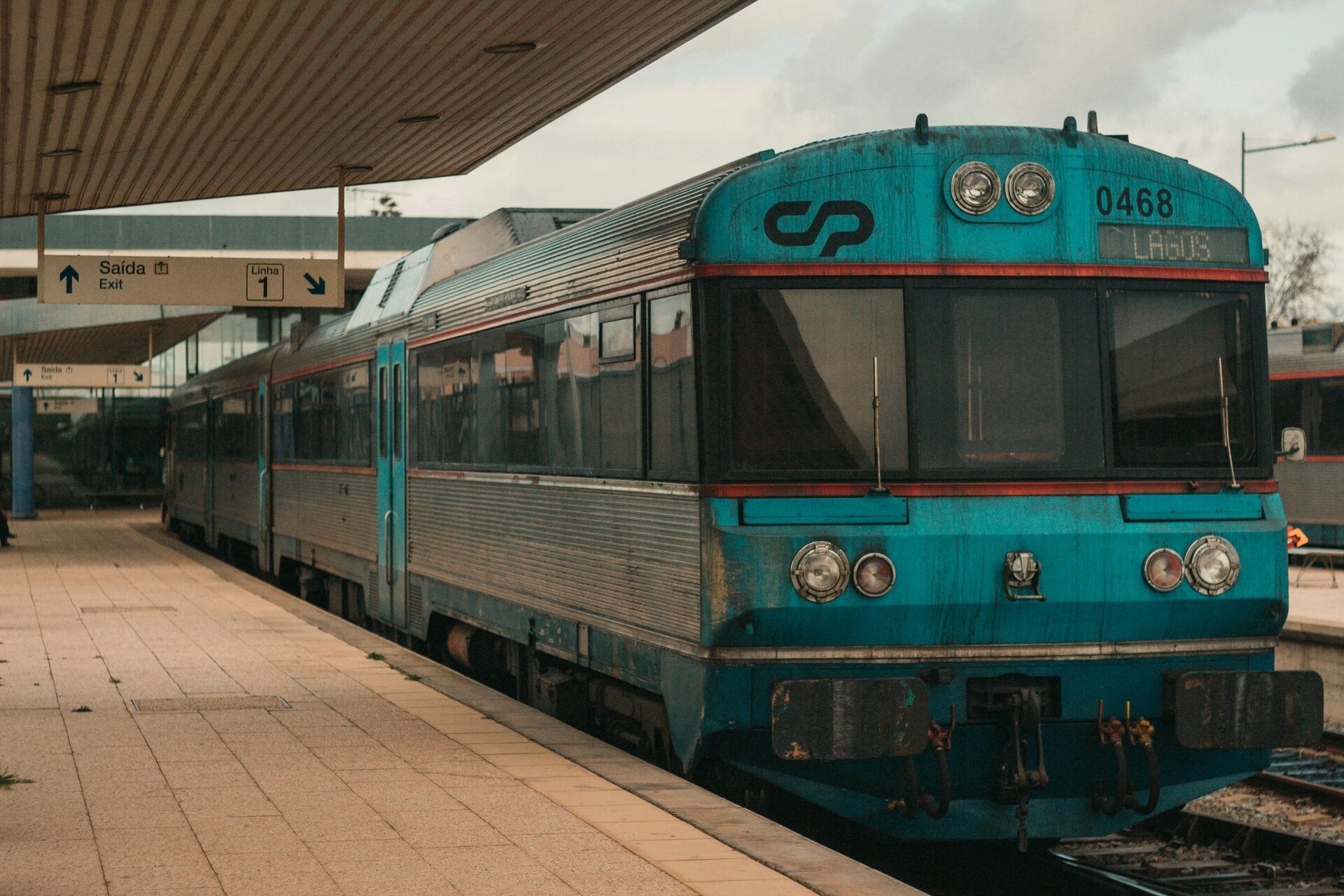
After Hackney Grove and Reading Lane, Mare St.
HACKNEY MUSEUM
A local history museum dedicated to the current London Borough. Amongst other (social) aspects , the museum explores the history of immigration.
Constructed in 2002, this versatile, multi-purpose building houses a library, a local museum, and the offices of Hackney Learning Trust, the council’s education division.
THE BUILDING IS MANAGED BY PINNACLE: https://www.pinnaclegroup.co.uk/case-study/hackney-technology-and-learning-centre/
LB of HACKNEY TOWN HALL
Hackney Town Hall is one of London’s finest examples of civic art deco architecture. Originally designed by Lanchester & Lodge and opened in 1937, today the Grade II Listed building is still a focus of community life in Hackney.
The building has continued to be the local seat of government after the formation of the enlarged London Borough of Hackney in 1965. However, many of the council officers and their departments, who had been located in disparate departments around the area, have moved to the new Hackney Service Centre in Hillman Street, designed by Hopkins Architects.
Justitia turris nostra, Latin for "Justice is our Tower"
The crest is almost the same as for the former Metropolitan Borough of Hackney, the only difference is that it stands on a small hill in the current arms. It is a representation of the remaining tower of St. Augustine's Church, part of Hackney's ancient parish church located in the historical centre of Hackney. The image is a representation of it, it is not a picture of it, because heraldic arms are symbols and never depicts actual buildings or other actual things. The green hill on which the tower stands, represents the island in the river Lea, where Hackney was founded, the island is supposed to have had the name Hacon's Eyot, from which the name Hackney is thought by some to be derived. The tower was also present in a field on the shield in the coat of arms of the former Metropolitan Borough of Hackney.
The eight-pointed Maltese cross is for the Orders of the Knights Templar and Knights of St. John; the Knights Templar wore a red Maltese Cross on white surcoats and mantles and the Knights of St. John wore black surcoats and mantles with a white Maltese Cross on them. Both orders have at different times in history been the owner of the Hackney manor. The bordure of the shield has waves representing the waterways, rivers and canals around the borough; heraldic waves like this were also prominent in the coat of arms of the former Metropolitan Borough of Hackney, where they made upp the lower half of the shield.
The oak trees comes from the coat of arms of the former Metropolitan Borough of Stoke Newington, symbols of the formerly forested area in the north of the borough. The oak trees are "fructed gules", which means their fruits (i.e. acorns for an oak tree) are visible and should be coloured red.
The former Metropolitan Borough of Shoreditch had no official coat of arms, so in the arms of the London borough, Shoreditch is represented by the three bells in the lower field. They in turn represent the church bells of St. Leonard's Church, Shoreditch (these Shoreditch bells are known from the nursery rhyme "Oranges and Lemons"), but their number of three stands for the three metropolitan boroughs which were merged to form the present London borough.
Traditionally a London cab is a “HACKNEY CARRIAGE” (and not only in London!)

“WARM SHORES” artwork

Following a comprehensive consultation with Hackney residents in 2020, Veronica Ryan OBE and Thomas J Price were commissioned to create two public artworks, serving as a permanent expression of solidarity with the Windrush Generation. The sculptures recognise the significant contribution the generation has made to life in Hackney and the UK and symbolise the ongoing commitment from the borough to provide refuge and welcome to worldwide migrants.
SALVATION ARMY
HACKNEY EMPIRE Theatre

THE OLD SHIP P.H. & hotel
At the rear

THE COCK TAVERN P.H.

Former CENTRAL LIBRARY
An attempt to establish a free library in 1878 had been defeated in a rowdy public meeting and it was not until 1903 that Hackney Metropolitan Borough adopted the Public Libraries Act. The new library was designed by Henry Crouch and was built on land left over from widening Mare Street,with financial assistence from Andrew Carnegie
METHODIST CENTRAL HALL, now PICTURE HOUSE
Originally built for the Methodist Central Mission. Closed and refurbished between 1997 and 2001, together with the adjacent central library which forms the corner, to make the Ocean Music Venue which continued until c.2005. In 2011 the building reopened as the Hackney Picturehouse.
WW2 MEMORIAL

ARTWORK: Custard Apple (Annonaceae), Breadfruit (Moraceae), and Soursop (Annonaceae)

West Indian communities, in London:
Notting Hill
Brixton
Oversized breadfruit, soursop, and custard apple sculptures representing Caribbean fruit and vegetables. A commemorative sculpture honouring the contribution of the Windrush generation.
Bohemia Place
You are entering the CLAPTON SQ. Conservation Area
Former TOWN HALL

The building was commissioned as a private house. The site selected on the east side of Mare Street had formed the nave of the Church of St Augustine which was built in the late 13th century and demolished in 1798. The house was originally constructed in brick and completed in 1802. It was then converted into a simple vestry office for the Parish of St John in the mid 19th century.

Site of ST.AGUSTINE Church. TOWER

LONDON REMEMBERS says: “
Built as St Augustines by the end of the 13th century, probably on grounds belonging to the Knights Templar. When this order was taken over by the Order of St John, the church was renamed St John at Hackney. The congregation increased and the church was altered to accommodate them. Eventually a new church was needed, was built alongside in 1791 and is still there today (to the north-east) with a war memorial in front of it.
The old church became redundant, and was demolished in 1798 but the tower was kept to house the bells since the new church lacked a steeple. Even when this was built in 1814 the bells stayed in the old tower because the new steeple was not strong enough to bear their weight. (We expect the project manager lost his job at this stage.) In 1854 the new church was underpinned and, at last, the bells could be moved there. By which time no one could be bothered to demolish the old tower”
Pedestrianised Mare St.
MARY WOLLESTONECROFT lived here

HACKNEY GARDENS, modern development

THE CROWN P.H. & guest house

And next door…
Discover The Half Crown, the newest addition to The Crown pub and guest-house in Hackney! It’s a bit of a gem, if we do say so ourselves. Picture this: we took an old phone shop next door and turned it into a proper pub space, keeping all the charm of The Crown intact. The Half Crown brims with that authentic pub charm you love mixed with a bit of modern flair. And the best part? We’ve got something for everyone. From live acoustic tunes every Friday to a brand-new pub quiz on Thursdays, there’s never a dull moment here.
ST.JOHN -AT -HACKNEY Church
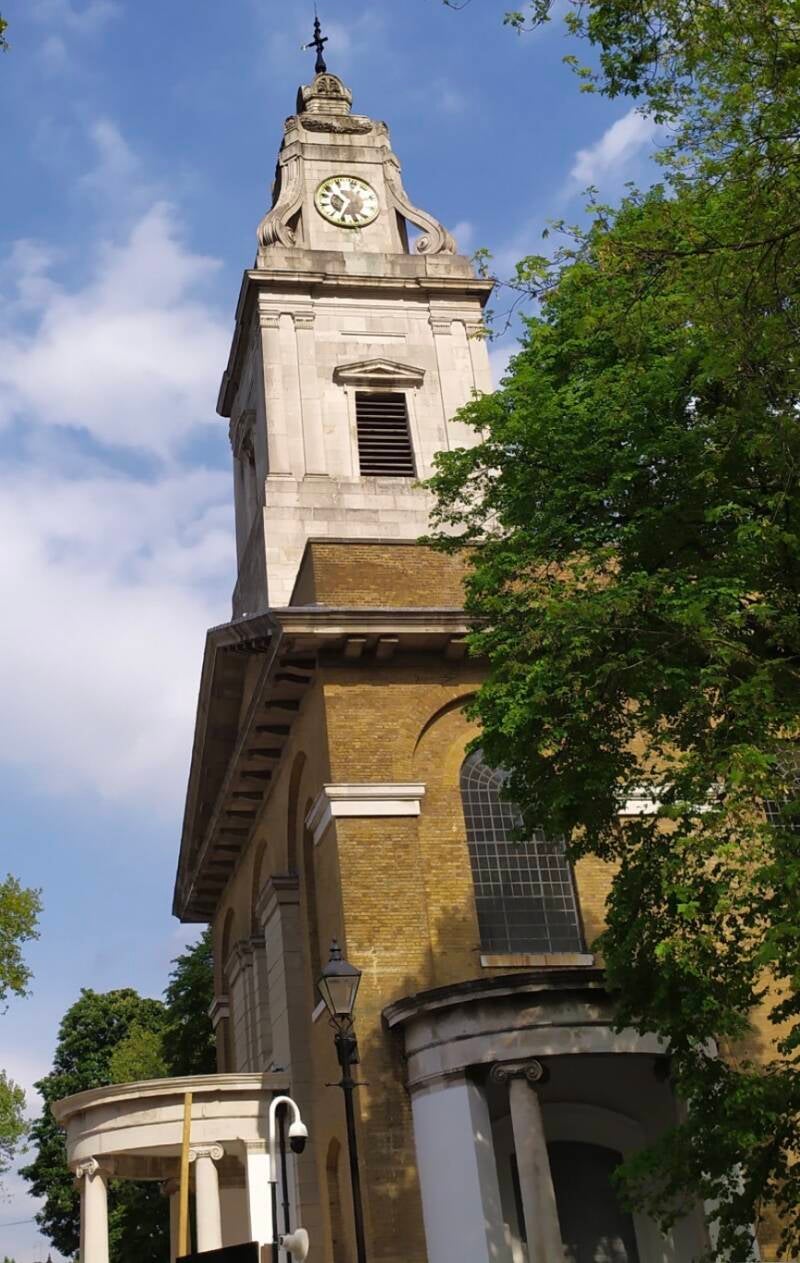
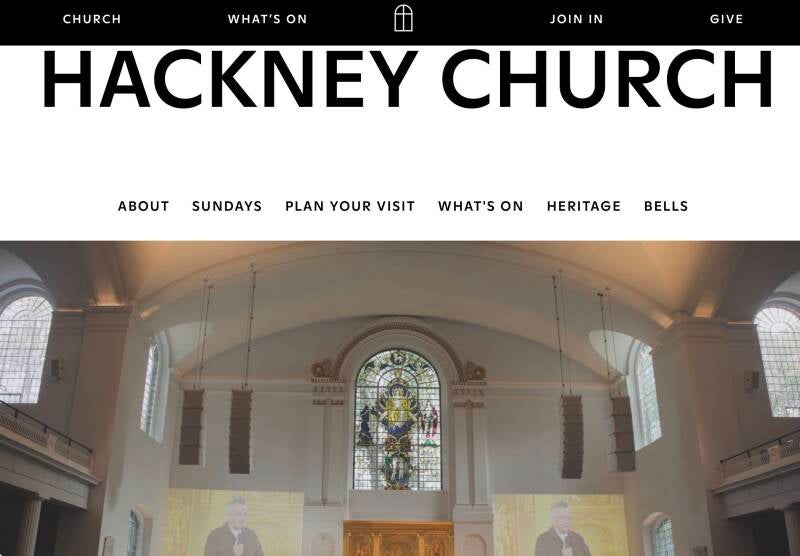

It was built in 1792 to replace Hackney's medieval parish church. Designed by James Spiller and built in 1792, when demand in the parish of Hackney was in excess of 3,000 parishioners. At an original 3,300 acres (13 km2), at the time the parish was the largest civil parish in Middlesex of those which joined the County of London (created in 1889). The vast, classical, stock-brick building, on a Greek Cross plan, can hold around 2,000 people. The building is Grade II* listed and contains monuments dating from the early sixteenth century, which were transferred from the medieval parish church.
In 2018, St John at Hackney embarked on a multimillion-pound restoration project, including a £1.84 million-pound grant from the National Lottery Heritage Fund. The design team included John Pawson CBE and Es Devlin OBE. In 2019, the church opened new community facilities in the adjacent Hackney Gardens development to enable it to grow its outreach work and activity. The church reopened for worship and live events in September 2020, and has since welcomed thousands of people through its doors.
The restoration of the church was awarded an RIBA National Award in 2022
MORTUARY

This Mortuary played an important role in a British military operation during the Second World War.
April 1943. Lieutenant Commander Ewen Montagu , a British Jew, and Flight Lieutenant Charles C. Cholmondeley, a British aristocrat, planned Operation Mincemeat to misdirect German forces' attention away from the Allied invasion of Sicily.
They brought the donated (by ST.PANCRAS INFIRMARY) body of a man (a homeless Welsh man called Glyndwr Michael) to this Mortuary where it stayed on ice for three months.
Cholmondeley and Montague transformed the corpse into a fictitious officer - Major William Martin. The body was taken to Scotland and then to a point off southern Spain, where it was placed in the water carrying false letters from senior Allied officers suggesting the Allies would invade Greece, not Sicily. When the body was found, the letters were shared with Nazi intelligence, misdirecting German forces
Hackney Citizen reported on this plaque on 2 December 2021 and we found it on Christmas Day 2021, but it was seemingly not unveiled until 24 April 2022, to tie in with the cinema release of the film Operation Mincemeat.
Glyndwr Michael, a homeless man from Aberbargoed who died in London in 1943. He was buried with full military honours as "Major William Martin" in the Nuestra Señora de la Soledad Cemetery in Huelva, Spain. His grave was updated in 1998 to recognize his true identity.Originally marked as "Major William Martin," amended grave reads now : "Glyndwr Michael Served as Major William Martin, RM"
ANOTHER OPERATION OF DECEPTION: FORTITUDE (NORMANDY LANDINGS):https://en.wikipedia.org/wiki/Operation_Fortitude
German gardeners
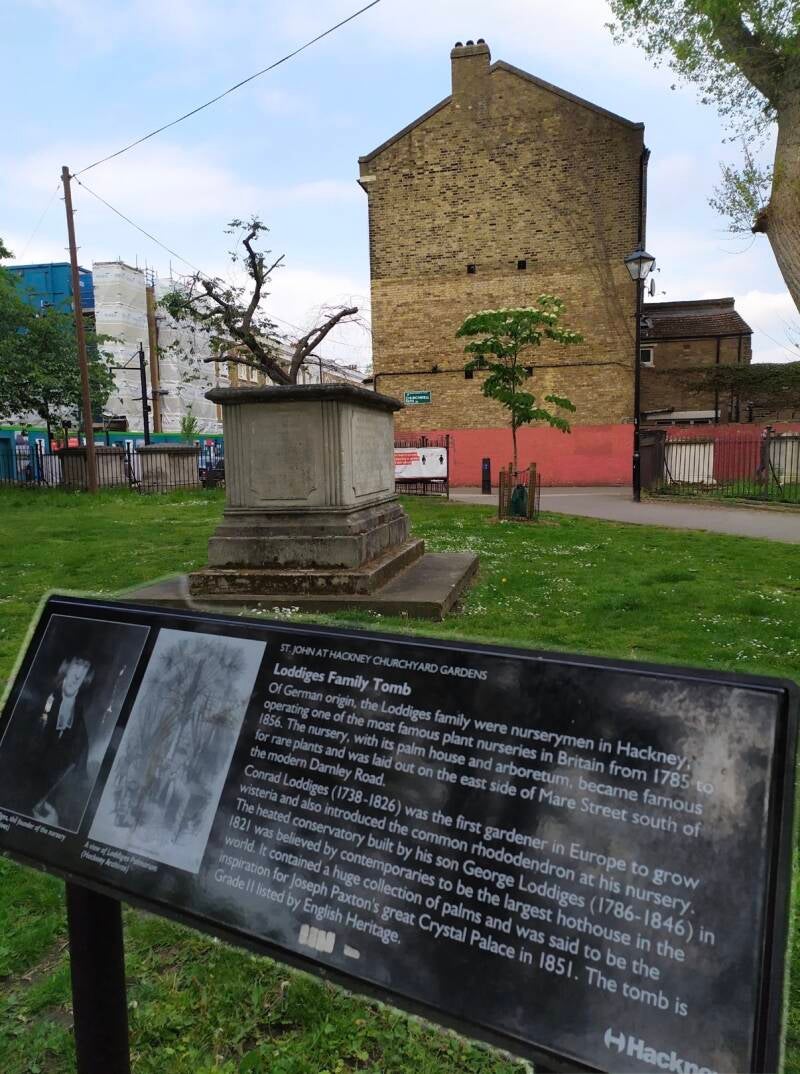
Clapton Square

Diversión W to Hackney Downs, and Stoke Newington

Diversion E to Lea Valley
The square
The square was laid out in 1816 in the fields of the manor of Hackney owned by the Tyssen family, as homes for senior merchants, officers and financial brokers in an upmarket residential square.
19th century Jewish writer Grace Aguilar lived in the square. Russian revolutionary Vladimir Ilyich Ulyanov (Lenin) visited, around 1905, his friend Theodore Rothstein who resided in the square.
The east side of the square was destroyed in the London Blitz and rebuilt, to emulate as it was, at the start of the next century.
5 Clapton Square - home of Thomas Briggs, chief clerk of Robarts, Curtis Bank, Britain's first railway murder victim on 9 July 1864
Fountain

The central gardens contain a finely restored drinking fountain donated to Hackney residents by Howard Morley in 1894.

Nearby
Clapton Passage
HOLY VILLAS
a short terrace of multi-storey bay-windowed Victorian villas built in 1882
JOSEPH PRIESTLEY lived here

He lived at the house (demolished in 1880) on the corner of the Passage and Lower Clapton Road, in the 1790s. A mob had hounded him out of his house and laboratory in Birmingham who opposed his support for the French Revolution. He was invited to come to Hackney to take up the post of Unitarian Minister at the Old Gravel Pit Chapel where he had many friends amongst the Hackney Dissenters. A plaque marks the site of his house above the existing corner building in Lower Clapton Road. He emigrated to America in 1794 fearing a repeat of his family's persecution.
Mother COURTAULD
In a cottage behind Priestley's house, in the closing years of the 18th century, lived a Huguenot widow, Louisa Perina Courtauld, a designer of gold plate who married a silversmith. Their son, Samuel Courtauld (junior), founded the Courtauld dynasty of silk and artificial fibre manufacturers and a descendant founded the Courtauld Institute now in Somerset House
ROUND CHURCH
Former THE MOTHERS’ HOSPITAL, otiginaly a Salvation Army maternity
JOHN HOWARD

LORNE HOUSE

CLAPTON POND
ALMSHOUSES

Former POLICE STATION
Designed by John Dixon Butler, closed in 2013 and was sold to the Education Funding Agency to become The Olive School. Following its closure, the site was briefly occupied by squatters in 2014 before its redevelopment into a school.
John Dixon Butler (1860-1920) was a British architect who for 25 years was the surveyor for the Metropolitan Police in London. He was the fifth architect to hold the post from its inception in 1842. He took over the role from his father in 1895.
Butler completed the designs and alterations to around 200 London police buildings, including ten courts; as of 2022, about 60 of his buildings survive.
ARCHITECT AND SURVEYOR, METROPOLITAN POLICE: https://grokipedia.com/page/architect_and_surveyor_to_the_metropolitan_police
Former THE KING’S HALL, PUBLIC BATHS, now LEISURE CENTRE
THE STRAND BUILDING, electricity showrooms

Sutton Place
GEORGIAN TERRACES
South: The Georgian terrace of 1790–1806, is Grade II listed as a whole, together with the villas on the north side of the street which date from 1820, and is sited in the conservation area around the gardens of St John-at-Hackney. The street replaced Church Path, an historic path connecting the villages of Homerton and Hackney.
On the south side, is a stock-brick three-storeyed terrace of Georgian houses built by Charterhouse. The terrace was likely to have been designed by its inhouse surveyor, William Pilkington, between 1790 and 1806. It was then leased to William Collins in 1809. The terrace replaced a school in the large medieval Tan House(occupied by Thomas Sutton in Tudor times) which occupied the site at the east end of the terrace – next to Sutton House. The terrace is 'soot washed'. This was a technique whereby the entire frontage was given a coating of soot, before fine white lining was applied to the darkened mortar between the bricks. This gave the appearance of much finer brickwork.
SUTTON HOUSE
Isabelle and Mehetabel Roads
THE CHATHAM ARMS P.H.
HACKNEY WALK: OUTLET DISTRICT
once hailed as a £100 million "luxury fashion hub" and "Bicester Village of East London," is widely considered a failed regeneration project. Launched around 2016-2017 on Morning Lane, the project saw nearly all its high-end fashion tenants, including Nike, Matches Fashion, and Joseph, depart within a few years, leaving the site as a "ghost town" of empty, graffiti-covered, and often boarded-up railway arches.
Key Reasons for the Flop:
- Misaligned Concept: The project was intended to bring high-end luxury retail to a part of Hackney that many locals felt did not have the footfall or demographic to support it, leading to the perception that it was a "mistaken" attempt at gentrification rather than community-focused regeneration.
- Poor Location and Visibility: Despite being on a main road, the site did not attract enough shoppers, and residents often ignored the shops.
- High Costs and Retail Failure: High rent expectations caused brands to leave, with the leaseholder Lab C-Estate Ltd eventually going into liquidation.
- Failed Post-Riot Ambitions: The project was funded in part by a £1.5 million investment from City Hall (under then-Mayor Boris Johnson) to help rebuild areas affected by the 2011 London riots, but it failed to provide the promised local jobs or economic boost.
- Vandalism and Neglect: Following the departure of major brands, the area experienced significant vandalism and break-ins, especially affecting the temporary Stone Island outlet, which closed permanently in early 2024.
By 2023, only one shop (Present) remained in the area. The failure has been described by locals and urban planners as a "case study on what not to do" regarding urban regeneration.
An historic MEETING HOUSE
ST.LUKE church
THE TEXTILE BUILDING. BURBERRY outlet
Paragon Road
Nos.69-83
Four linked pairs of early-mid C19 houses with a Greek key pattern above the ground floor windows. They are Grade II listed as 71-83. The Buildings of England London 4 North states they were built in 1809-13 and suggests as the land was owned by St Thomas’s Hospital the design, which they suggest was inspired by Blackheath’s Paragon, may have been by the hospital’s surveyor Samuel Robinson or its builder Robert Collins
From re-photo.co.uk/?tag=paragon-road

I hope you are enjoying this guide!




Create Your Own Website With Webador